

introduction
Welcome to the comprehensive guide exploring the world of butterfly valves—a critical component in fluid control systems. From their functionality to diverse applications, understanding these valves is key to efficient system operation and maintenance.
butterfly valves: the versatile solution
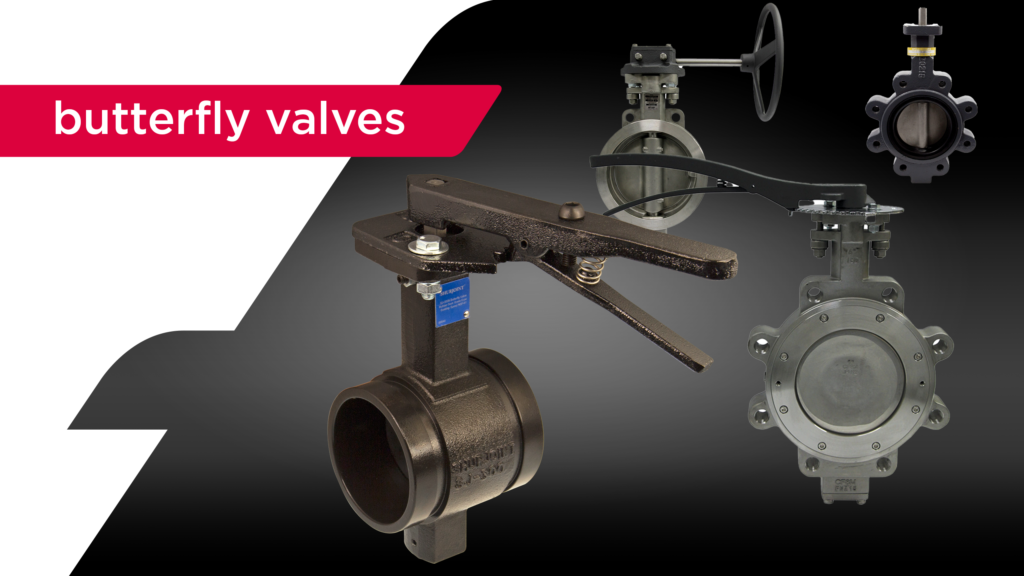
Butterfly valves stand as dynamic flow control devices used in piping systems. They regulate, isolate, and divert fluid flow by rotating a disc along the pipeline axis. Versatile in design, these valves offer resilience and high performance, configurations, catering to different environments.

evolution of butterfly valves
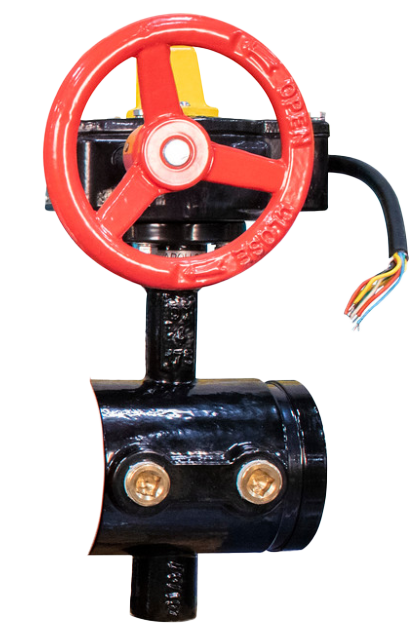
The evolution of butterfly valves began in the 18th century with a simple metal disc design for water flow regulation. Over time, advancements like elastomer-lined discs in the mid-20th century improved sealing capabilities, expanding their use across industries. With modern materials and technology, butterfly valves now offer superior performance, corrosion resistance, and precise control. The integration of advanced actuation technologies, such as electric, pneumatic, and hydraulic actuators, has further enhanced their functionality, allowing for remote and precise valve manipulation. From their humble origins, butterfly valves have evolved into sophisticated and crucial components in applications ranging from water treatment to oil and gas industries.
key components and operation
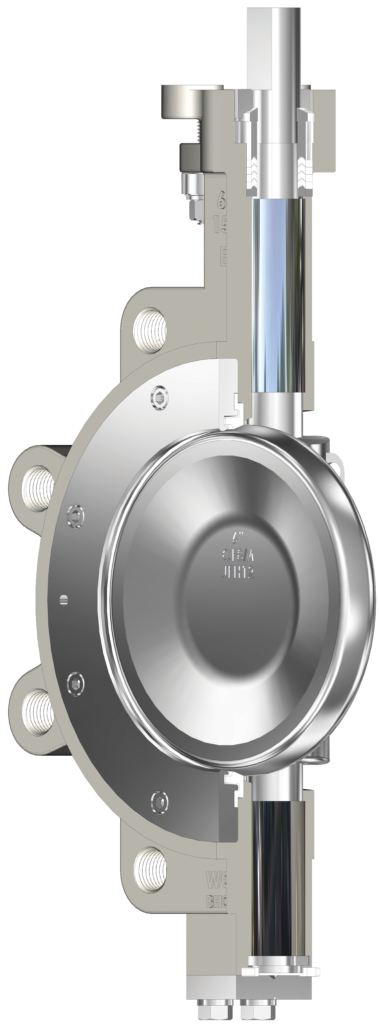
Understanding the anatomy of butterfly valves is essential. With components like a disc, stem, actuator, and sealing mechanism, these valves control flow by rotating the disc perpendicular or parallel to the direction of flow. Their operational simplicity ensures reliability and ease of maintenance.
types of butterfly valves
concentric resilient seated
grooved connection
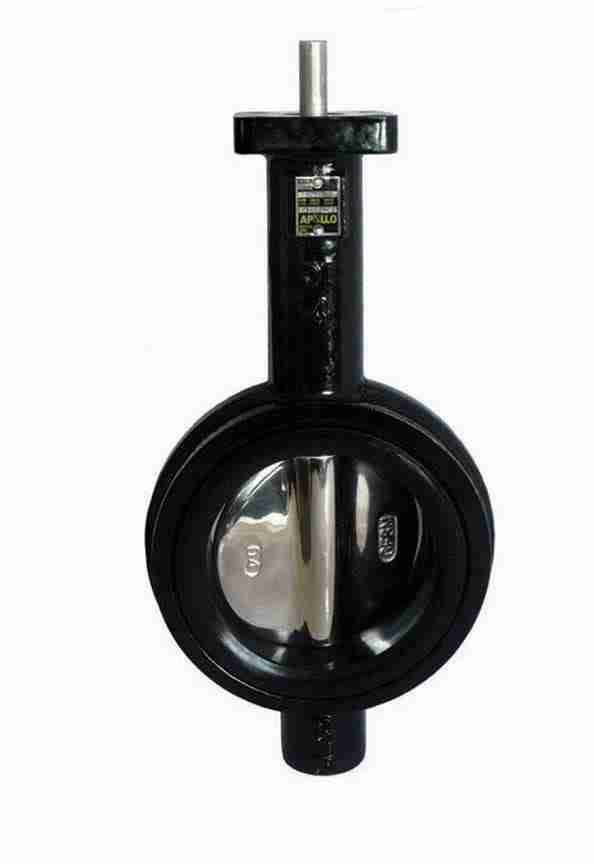
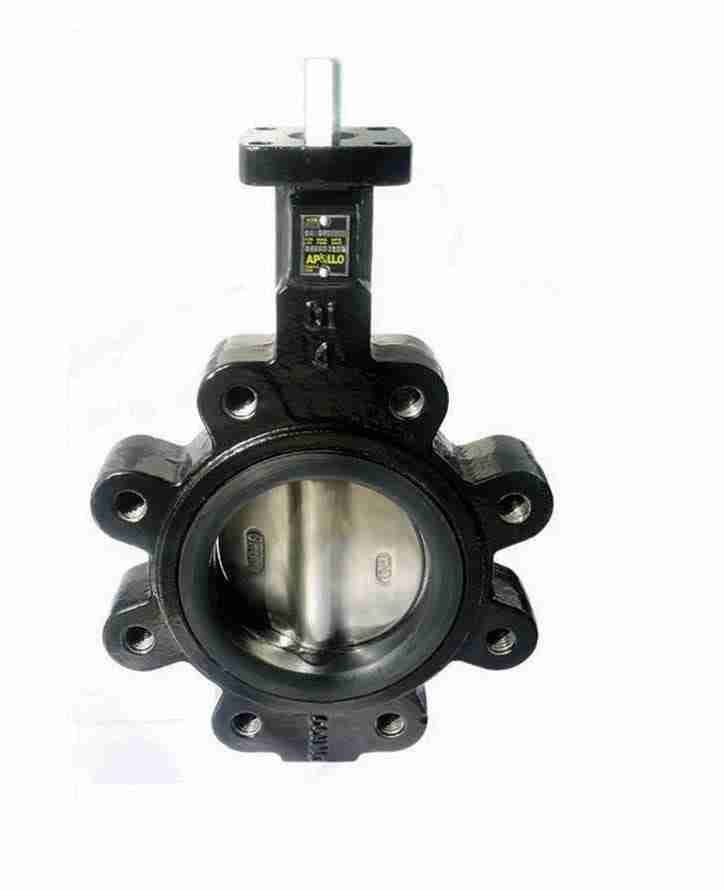
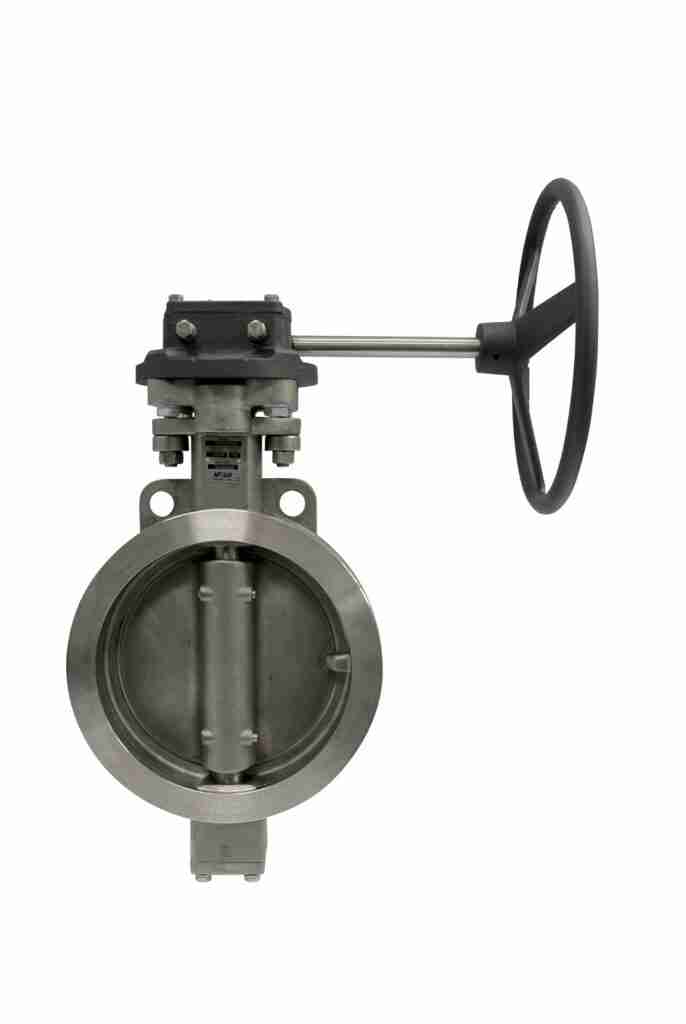
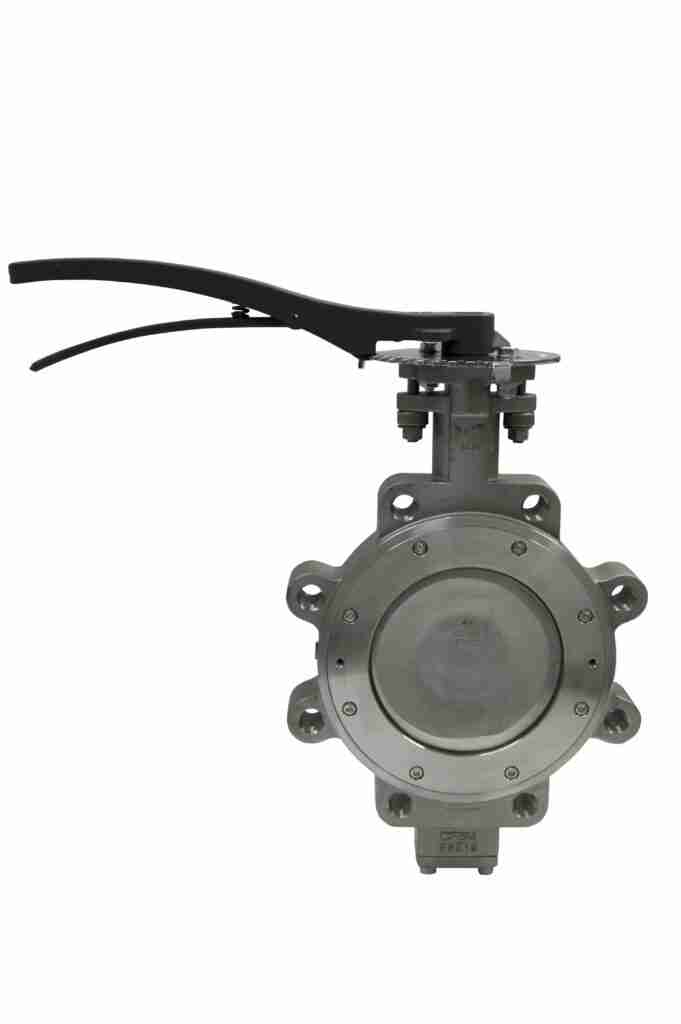
high performance
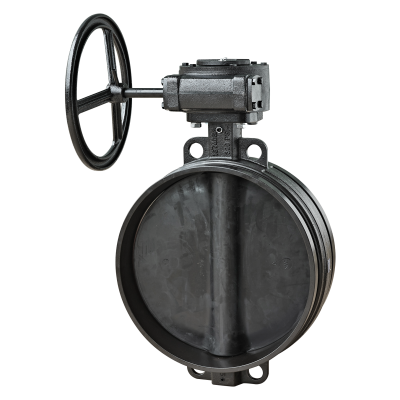
wafer connection
applications across industries
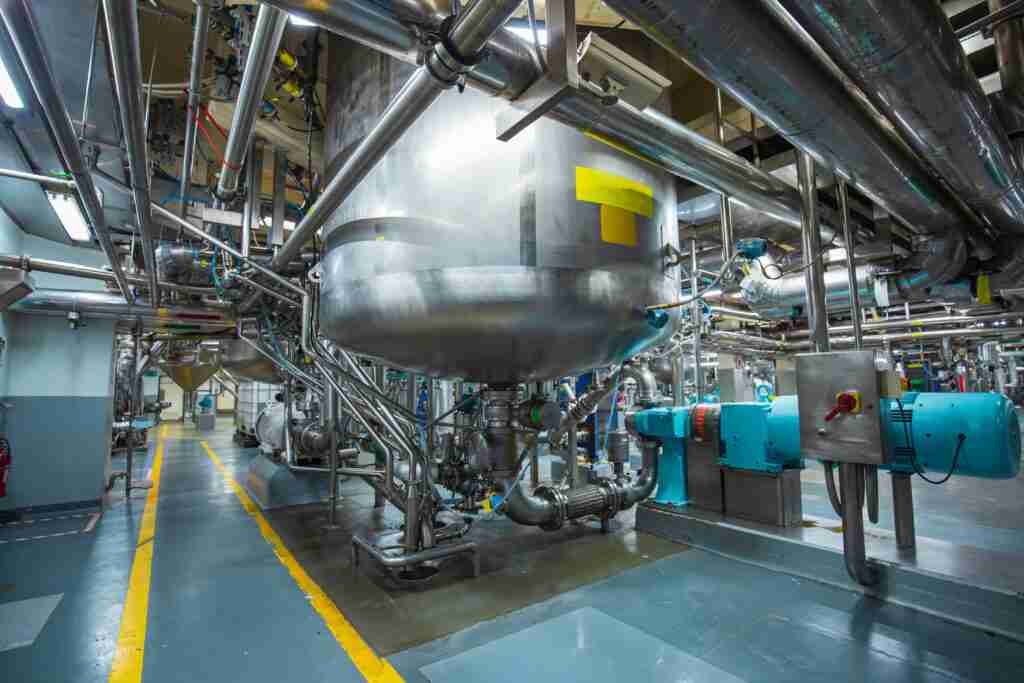
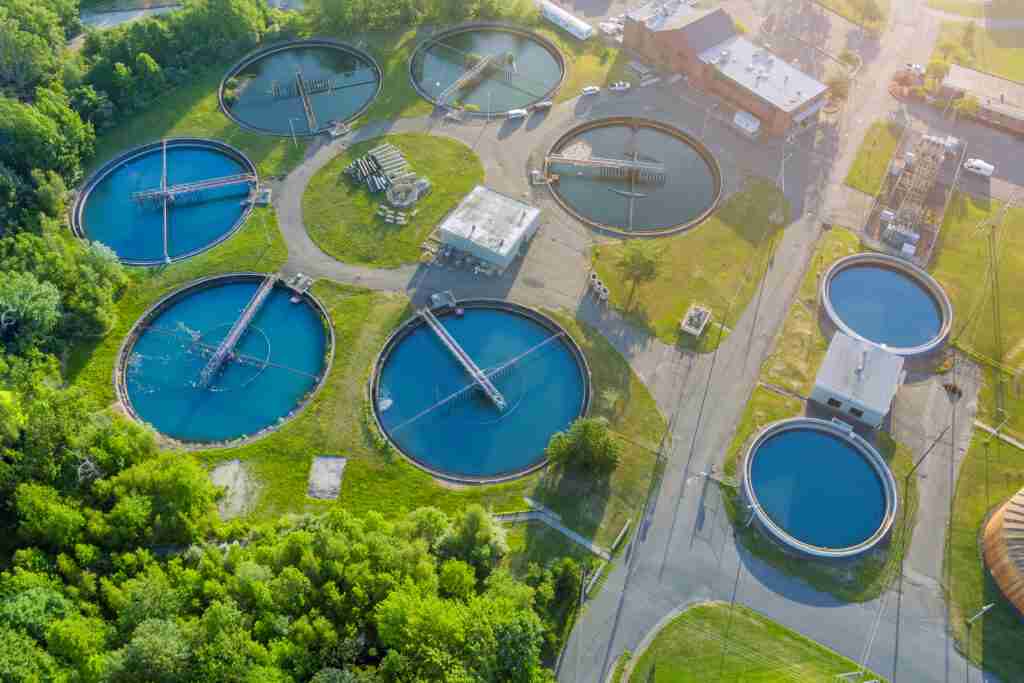
Butterfly valves find diverse applications across various markets, from water treatment plants and HVAC systems to chemical processing and oil refineries. Their role in controlling fluid flow enhances operational efficiency and safety in these industries.


advantages over other valve types
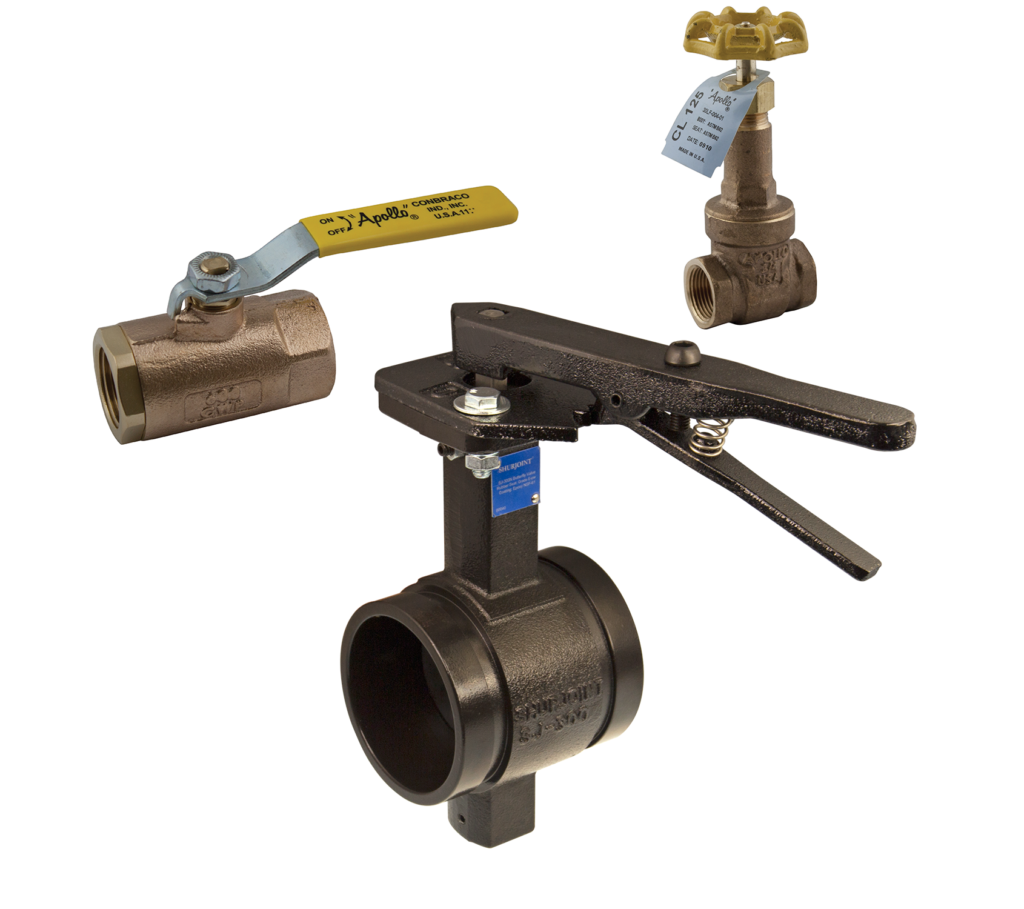
Comparing butterfly valves with alternatives like ball valves or gate valves highlights their unique advantages. Lightweight, compact design, low-pressure drop, and swift operation make them preferred choices, offering cost-efficiency and functional reliability. In addition to their lightweight and compact design, butterfly valves are often favored over ball or gate valves for applications where space is limited. Their streamlined profile and quick operation make them ideal for situations where rapid response and space optimization are crucial.
installation and maintenance Tips
Proper installation and routine maintenance are paramount for optimal butterfly valve functioning. Following correct installation procedures and adhering to maintenance schedules prolong their lifespan, ensuring consistent performance and preventing operational issues. check out all of our butterfly valve IOMs.
FAQ's
can butterfly valves handle high-pressure systems?
Yes, high-performance butterfly valves with reinforced designs are engineered to withstand high-pressure applications, ensuring reliable and efficient performance.
are butterfly valves suitable for controlling the flow of corrosive chemicals?
With proper lining and material selection, butterfly valves can effectively handle corrosive chemicals, offering durability and safety in such environments.
what maintenance is required for butterfly valves?
Routine inspection for leaks, ensuring proper alignment, and periodic lubrication of moving parts are essential maintenance tasks to ensure optimal functionality.
can butterfly valves be used for throttling applications?
While they can regulate flow to some extent, butterfly valves are more suited for quick shut-off and flow control rather than precise throttling.
are butterfly valves suitable for high-temperature applications?
Yes, depending on the valve’s material and design, butterfly valves can handle high-temperature fluids effectively, ensuring reliable operation in elevated temperature environments.


